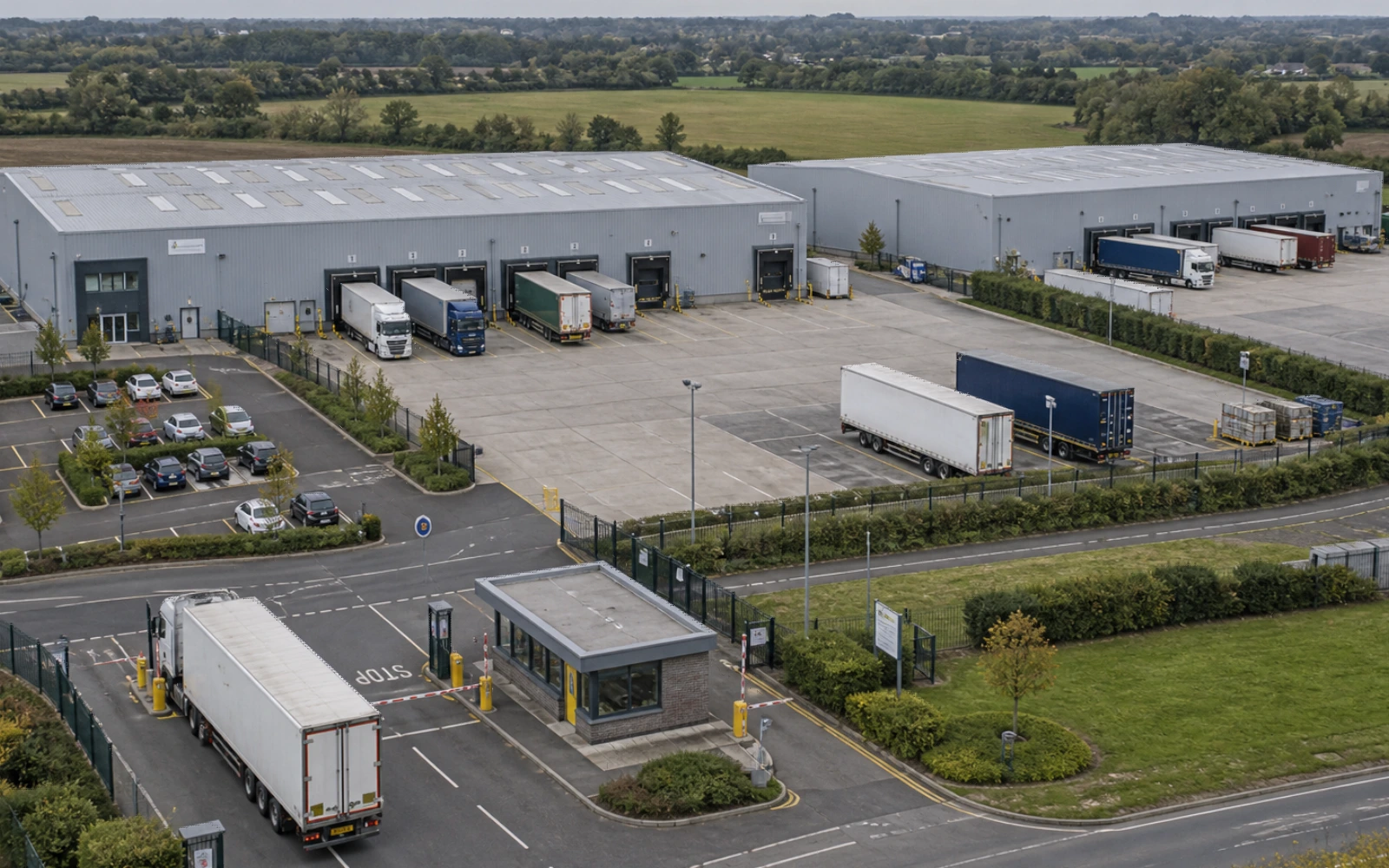
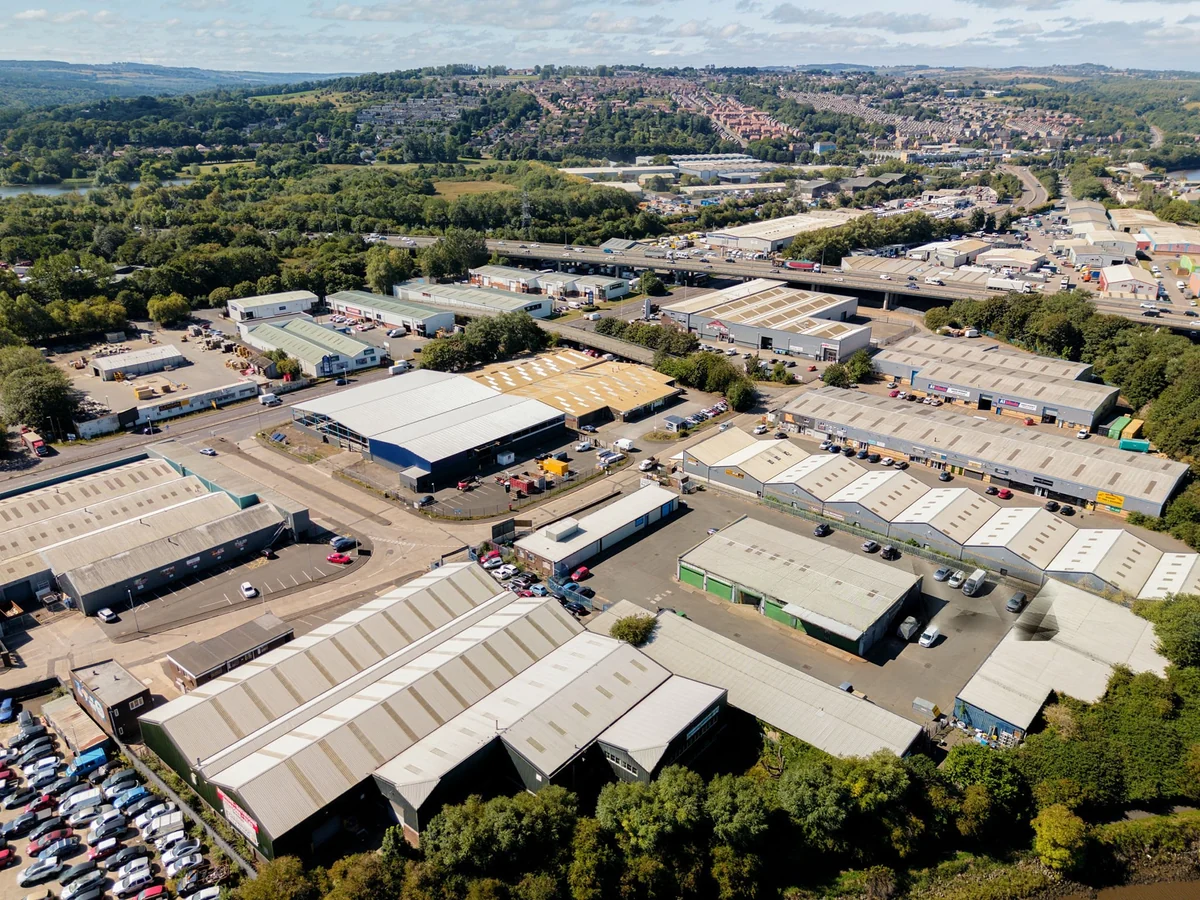
Cover changing locations.
Use solar and 4G cameras at suitable locations. Plan each view, power supply and connection around the task.

Get alerts for agreed activity and connect complaints to the relevant clips, vehicles and visits. Your team reviews the evidence and decides the response.
Explore your prioritiesUse solar and 4G cameras at suitable locations. Plan each view, power supply and connection around the task.
Link arrivals, activity and departures to a report, with readable plates and original clips for review.
Send alerts and evidence to the team responsible, with investigation access and sharing limited to your permissions.
An example workflow, with coverage, connections and actions agreed by your team.
“Find the vehicle that stopped beside the waste reported on Tuesday.”
Find arrival, unloading and departure clips around the reported time and place, where the cameras captured them.
One evidence pack with source clips and timestamps, ready for the authorised council team to review.
Explore the applications behind these workflows.
Agree camera positions, purpose, access and retention. A vehicle near a reported incident is a lead to check, not proof of responsibility.
Explore deployment & controlDarkfield serves public-safety teams, councils, highway operators, utilities, industrial and logistics sites, construction teams and large estates. Start with the task, then choose the cameras, hosting and access your organisation needs.
Yes. Say, for example, “Alert the team when a loading bay is blocked for ten minutes”; we agree the cameras, timing, exceptions and action before activation, and your team can review clips, change the rule or pause it.
You set the sites, users, rules and permitted actions. Role-based access and audit logs support oversight. Authorised operators can pause or override the system. Review visual matches; they do not confirm identity.
Run Darkfield on your premises or in your private cloud. Or choose managed hosting on a dedicated, isolated UK instance.
Configured Darkfield solar/4G units record and buffer locally for up to one week, with power and enough storage. Data syncs when connectivity returns. This covers recording, not guaranteed offline AI or spoken actions. Local analysis and rules need working camera links, compute, power and the agreed setup. Remote alerts, live access, two-way talk and cloud analysis need a connection. Third-party cameras have their own limits.
Cameras capture people, vehicles and readable plates; Darkfield searches visible details and activity, such as standing by a wall or spraying graffiti. Clothing, vehicle features and colours depend on the view and lighting, and a visual match is not proof of identity.
It depends on the camera model: reliable plate capture needs specialised cameras, and some models have limited integration options. Send the make and model so we can confirm supported features.
Try “Find the white van with a ladder”, “Show the person with an olive backpack” or “Find motorcycles near the entrance last Friday after 10pm”. Add a time or place, then review the matching clips; no plate is needed to start.
Your feedback helps Darkfield recognise routine arrivals, deliveries and other site activity. Confirm an event or correct a decision to help reduce repeated unnecessary alerts.
The supplied-camera service covers survey, installation, cameras, software, maintenance and faulty-camera replacement. Your proposal sets hosting, integrations and storage charges; mobile security is an optional add-on, charged per genuine-incident call-out, and keyholding is separate.
The camera subscription keeps the network working after installation, covering connection, software, maintenance and camera replacement. Your proposal sets out hosting, integration, storage and optional response costs.
Compare equipment, installation, monitoring, servicing, repairs and replacement, without counting staff time already covered by monitoring twice. Our calculator compares camera-service costs; hosting, integrations, storage and optional response are scoped separately in your proposal.
Yes. Start with one entrance, car park or recurring problem, then add coverage as your needs grow. We assess each location without asking you to replace everything.
One point of contact helps you agree cameras, hosting, recording, access and permitted actions. We install and test any supplied cameras, then your team reviews the rules and approval steps before activation.
We handle survey, installation and sign-off. We agree the views and mounting points with you, starting with entrances, exits and the areas that need attention.
Our solar site cameras use LTE, without new power cables or access to your IT network; we check daylight, mobile coverage and mounting first. Doorbells, drone docks and other equipment have separate requirements confirmed in your site plan.
No. We agree access and camera positions beforehand and tell you when the installers will arrive; you are welcome to meet them.
We check views, image quality, charging and connection, and adjust camera positions where needed. Billing and user access begin after validation; maintenance and replacement cover starts at installation.
We monitor camera health and send a team member when an on-site fix is needed. Maintenance and replacement of faulty, damaged or stolen cameras are included in the service.
You choose the contacts and response rules during setup. Darkfield can save the event, alert your team or dispatch mobile security under the agreed workflow, with clips, times and location attached.
Yes. Add mobile security response to Darkfield AI monitoring. A patrol can be dispatched automatically or after a check, depending on your agreed workflow. Coverage spans 99.8% of UK postcodes. We confirm local cover and response arrangements for your address before activation. For covered sites, the target is arrival within 10 minutes of dispatch; arrival is not guaranteed. Traffic, weather and incident conditions can affect it.
Ask the Darkfield assistant for everyday tasks. Videos, guides and training through your point of contact help your team use more advanced features.
Contact your Darkfield point of contact for help with cameras, software or the service. They know your site and can bring in the wider team.
Only authorised users can see footage, with access limited by site and role and supported by audit logs. You set permissions for your team, support and integrations; sharing one incident does not give access to the rest of your cameras.
Events and short evidence clips stay for 30 days by default. Keep recordings, events and evidence for years where needed, with an agreed purpose and enough storage. Continuous recording, capacity, retention and costs are set per deployment. Search covers retained footage and observations; years of storage are not included in every plan.
Run Darkfield on your premises or in your private cloud. Or choose managed hosting on a dedicated, isolated UK instance. We agree storage locations and outbound connections; data is encrypted in transit and at rest, with access for authorised users only. See the Security Whitepaper for details.
Darkfield supports UK GDPR and the Data Protection Act 2018; Linox Ltd is ICO-registered under ZC175057, which is not certification of your installation. The DPA sets out our responsibilities and yours, including camera purpose, notices, access and retention.
Yes. Share a report with relevant clips, times and an incident summary with authorised recipients, including police, without opening access to every camera; supported sharing links have access controls and expiry.
Plan cameras, rules and hosting for councils & highways.
Discuss your deployment